U.S. forces disable blockade-running cargo ship near Strait of Hormuz as Trump shows Iran WHO really is in Charge of the Strait!

The U.S. military disabled the Panama-flagged M/V Vela Nova in the Gulf of Oman after its crew allegedly ignored repeated warnings while attempting to violate the U.S. naval blockade of the Strait of Hormuz. CENTCOM says U.S. forces have now redirected 55 commercial ships, disabled three, and boarded two others as Trump Shows Iran WHO really is in control of the Strait.
U.S. Military Enforces the Blockade
The United States military delivered a forceful demonstration of its ability to enforce President Donald Trump’s naval blockade against Iran on Tuesday. A U.S. Navy MH-60 helicopter intercepted the Panama-flagged M/V Vela Nova after American forces said the vessel attempted to violate the blockade. The civilian crew reportedly ignored repeated warnings ordering the ship to comply. U.S. forces then fired two Hellfire missiles, disabling the vessel and preventing it from continuing toward Iran. CENTCOM says the blockade remains fully in effect. The operation demonstrated that Washington is prepared to back its maritime restrictions with military force. The Trump administration is signaling that attempts to defy the American blockade could face immediate consequences.
Trump Maintains Military Pressure
President Trump has maintained substantial military pressure on Tehran while negotiations over the conflict continue. The blockade was reinstated in July after having previously been suspended during de-escalation efforts. Tuesday’s confrontation demonstrates that the administration is continuing enforcement even while diplomatic negotiations remain possible. Rather than relying solely on warnings, American forces demonstrated their willingness to physically stop vessels accused of violating the blockade. The Vela Nova was prevented from completing its attempted transit toward Iran. No injuries among its 17 crew members were reported following the incident. The operation gives Trump additional leverage as Washington and Tehran continue confronting one another over the future of regional shipping.
American Forces Assert Maritime Power
The latest operation underscores the enormous American military presence surrounding the strategically vital Strait of Hormuz and Gulf of Oman. CENTCOM says 55 commercial vessels have been redirected, three ships disabled and two others boarded since enforcement of the blockade resumed. Those numbers demonstrate the scale of America’s enforcement operation. U.S. warships, aircraft and helicopters are capable of intercepting vessels attempting to reach blockaded Iranian ports. Tuesday’s action showed that warnings can quickly escalate into military enforcement when commanders determine that a vessel refuses to comply. The United States therefore remains the dominant outside military force enforcing the blockade around Iran. Washington is making clear that Tehran cannot simply dictate the terms under which the American blockade ends.
Strait of Hormuz Showdown
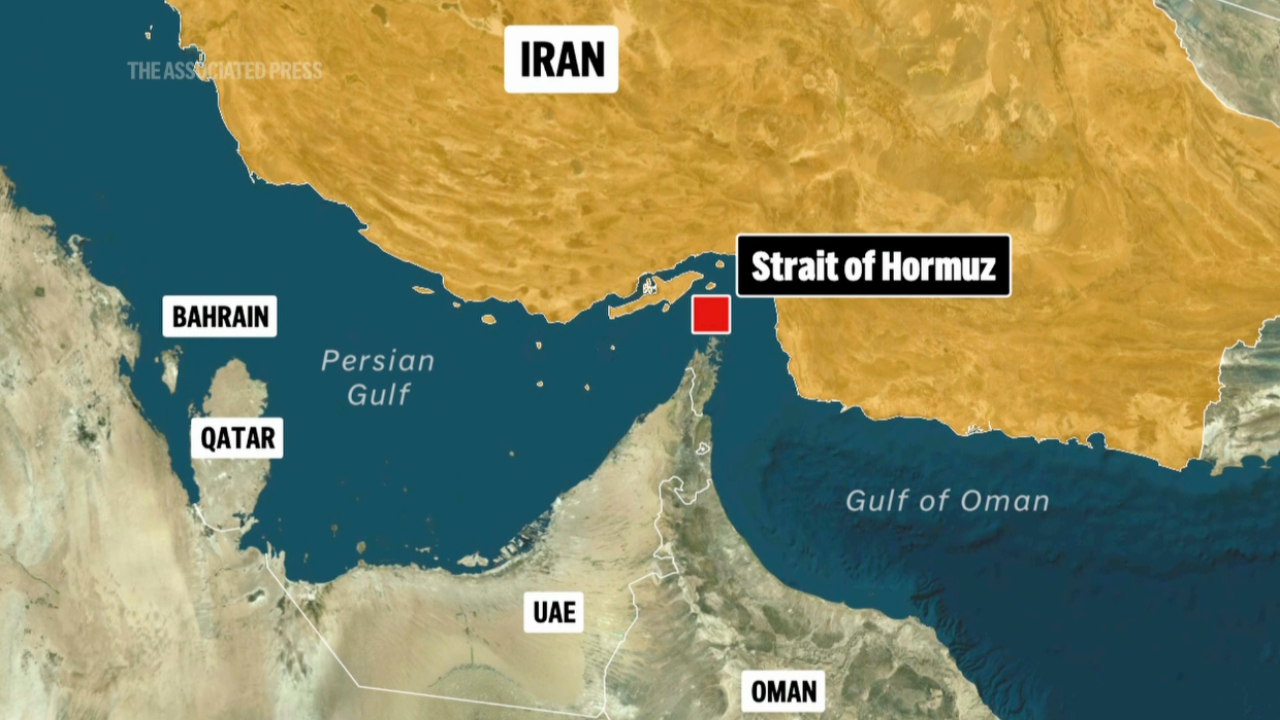
The Strait of Hormuz remains one of the world’s most strategically important maritime corridors, particularly for global energy shipments. Iran continues asserting that the waterway will remain closed until its conditions are satisfied. Tehran has demanded major concessions from Washington as part of negotiations over reopening maritime traffic. President Trump, however, has continued applying military and economic pressure rather than accepting those demands outright. The American blockade targets Iranian ports and shipping rather than establishing literal U.S. sovereignty over the Strait itself. Nevertheless, U.S. military operations have given Washington enormous practical influence over maritime activity surrounding the waterway. Tuesday’s interception reinforced the message that American forces remain capable of imposing consequences throughout the region.
Iran Faces Growing Pressure
Iran now faces a difficult strategic situation as the Trump administration combines negotiations with continued military pressure. Commercial shipping through the region has fallen dramatically amid the confrontation and uncertainty surrounding the Strait. Tehran wants Washington to make concessions before normal maritime traffic resumes. Trump has instead continued demanding concessions from Iran while keeping American military forces positioned throughout the region. Every vessel intercepted under the blockade increases the economic pressure surrounding Iranian ports. The disabling of the Vela Nova demonstrates that foreign registration does not necessarily protect a vessel accused of attempting to breach the blockade. The administration’s strategy appears designed to make Tehran understand that simply waiting out American pressure may carry increasingly serious costs.
America Sets the Enforcement Terms
Tuesday’s confrontation sends a straightforward message about who is currently enforcing the blockade: the United States military. Panama may have been the Vela Nova’s flag state, but American forces determined that the vessel was attempting to violate the blockade and intervened. After warnings were allegedly ignored, U.S. forces disabled the ship rather than allowing it to proceed. CENTCOM’s record of dozens of redirected vessels shows that Tuesday’s action was part of a much broader enforcement campaign. Iran continues to contest American policy and maintains substantial ability to threaten shipping inside and around Hormuz. But when it comes to the U.S. blockade of Iranian ports, Washington is demonstrating that it intends to determine which vessels are permitted to proceed toward blockaded destinations. The Trump administration is backing those rules with American military power.
Trump’s Message: America Will Enforce Its Red Lines
The Vela Nova incident represents another major test of President Trump’s strategy toward Iran. His administration has paired military pressure with negotiations while refusing to abandon the blockade without an acceptable agreement. American forces demonstrated Tuesday that those restrictions are more than political declarations. When the Vela Nova allegedly attempted to breach them, U.S. forces responded and stopped the vessel. The operation strengthens Washington’s credibility when it warns other ships against attempting similar actions. It also gives Trump another point of leverage as negotiations over Hormuz and the wider conflict continue. The message from Washington is unmistakable: the United States intends to enforce its blockade, protect its strategic interests, and negotiate from a position of military strength.
Leave a Reply